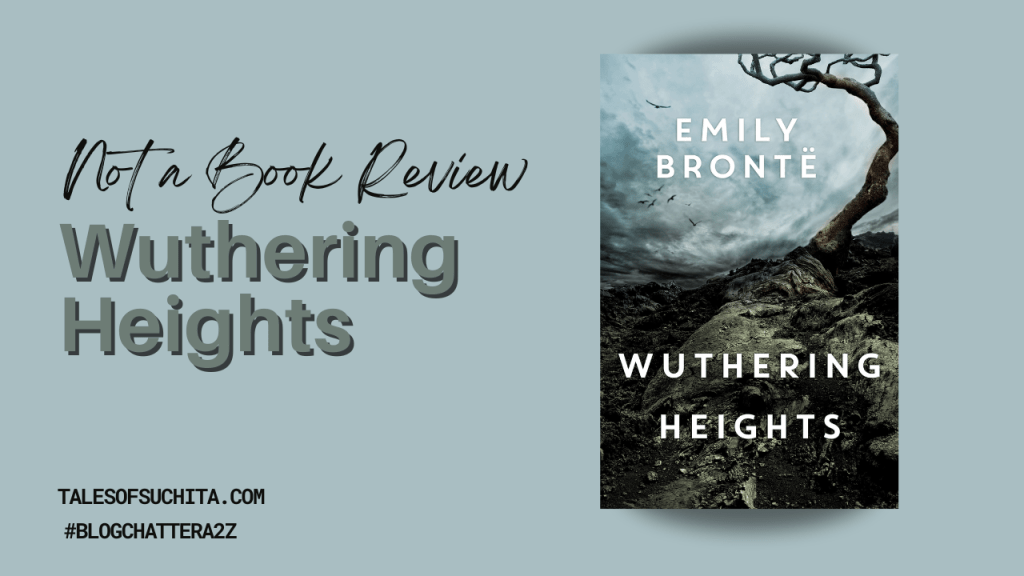
I very rarely read books because of peer pressure or their popularity. But there are times, like the release of Emerald Fennell’s Wuthering Heights, that just propel you to make decisions you wouldn’t otherwise. Where the discourse on the book, the adaptation and creative licence compel you to read the book; just so you can form your own opinion.
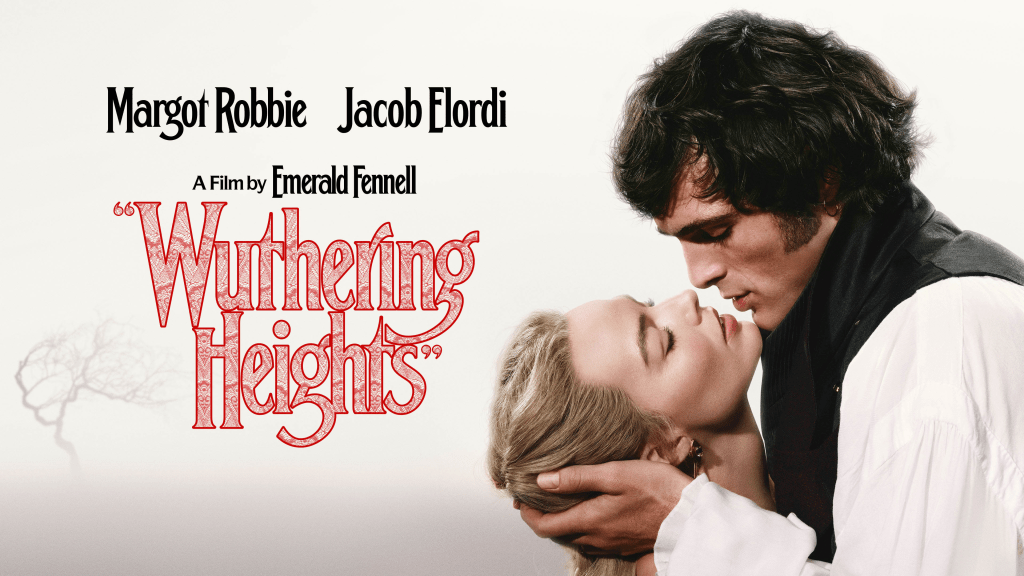
So, I picked up Wuthering Heights, the book, with the simple intention of understanding why the internet was writing think pieces on the 2026 movie. I haven’t seen the movie (my friend tried but could not finish it) but I do have many thoughts on the book.
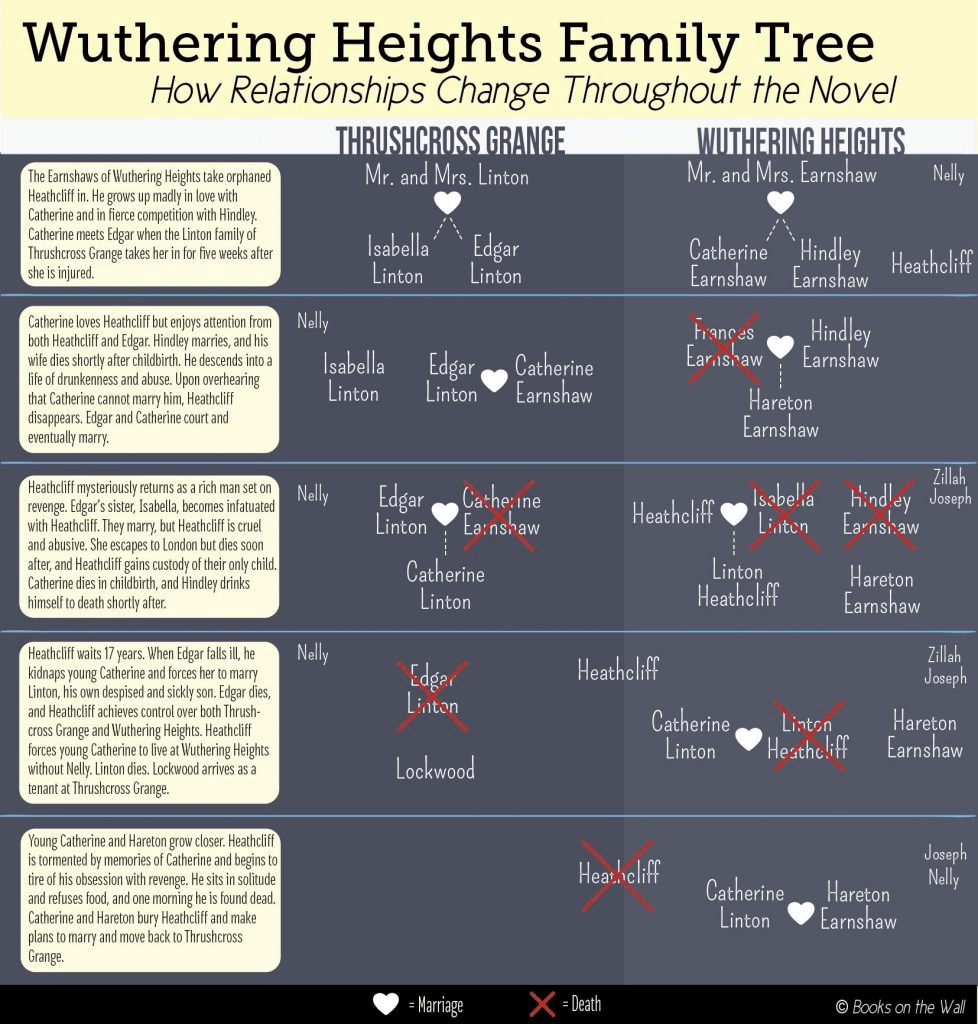
First, a confession: I have tried to read this book multiple times before and failed. The language is lyrical and circular that is beautiful but impossible to understand. So this time, I was prepared. I had the audiobook, the ebook and a character relationship chart from the internet. I know it sounds like too much effort and to be fair I was treating this less like a book and more like a study project but it was worth it.
First, the “Romance” Problem
Whoever rebranded Wuthering Heights as a romance either did not read the book or did not understand the romance genre. This is not a romance. It is a tragedy. A gothic, furious, deeply human tragedy about what happens when people let their worst impulses win.
Heathcliff and Catherine are not star-crossed lovers or romantic. They are two people who are so consumed by their own righteousness, masks and machinations that destroys everything around them, including each other.
Catherine may say beautiful things like “whatever our souls are made of, his and mine are the same” about Heathcliff but then chooses Linton because he is easier to control and looks better on her arm.
Heathcliff may say he would not hurt a hair on Linton’s head if Catherine desired it, but then proceeds to ruin every life attached to hers.
They only want each other when they cannot have each other. Their ideal arrangement is when she is married and he is unattached. So they see only the best parts of each other and can run away to their respective homes when the other gets too vexing. That is not love. That is nostalgia.
What Catherine actually loves about Heathcliff, I think, is that he knows her history. He has seen her without her masks and he has not flinched. Her life is a performance and Heathcliff offers her a respite from this.
Heathcliff, the Patriarchal Archetype
Throughout the reading, I kept wondering what is Emily Brontë really trying to say. Here’s what I think Wuthering Heights is about: a man who cannot take a rejection.
Catherine said no and Heathcliff made it everyone’s problem. He ruined Hindley. He trapped Isabella in a miserable marriage and spoke about her with a cruelty that made me physically cringe. He manipulates everyone and perpetuates the powerlessness he feels by making all those around him feel powerless.
He is the archetype of the patriarchal man who, having been denied something he wanted, decides the world must pay the price. And as the book progresses, he stops being a full person altogether. He becomes almost a caricature of his own misery. The people around him simply learn to enjoy the sunshine while he is absent.
What is fascinating – and what Brontë does so brilliantly – is that she helps you understand exactly how he got there. The children called him “it.” Hindley tormented him. Mrs. Dean, the housekeeper and the closest thing the book has to a moral compass, could not even find it in herself to feel sorry for him when he first arrived.
I kept thinking of Macbeth – the way Heathcliff is haunted by Catherine after her death, sensing her ghost everywhere and finding no peace – just like Duncan and Banquo follow Macbeth into his unravelling.
The Fascinating Women
One thing I did not expect: the women in this book.
Nelly Dean is endlessly interesting. Though she is a housekeeper, she is not the soft, gentle one that this genre usually offers. She calls Catherine and Isabella out on their foolishness. She is the only visible mother figure in the entire book, and yet she is not warm but acerbically honest.
I found myself angry at her sometimes, for not doing more. But then there are only so many lines she can cross without being fired. Despite all her agency, she is still a woman in a world where Heathcliff’s in-charge.
Catherine herself is ambitious and complicated. She doesn’t love that Heathcliff isn’t at her intellectual level. She picks Linton because he is manageable and then throws tantrums the moment he questions her. There is a scene where she calls her husband and his sister children for thinking that the world will bend to their whims. The irony is, she is exactly the same.
Isabella arrives naive and leaves disillusioned, having realised too late that Heathcliff is not what Catherine made him out to be. Even Wuthering Heights itself, the house, mirrors her neglect – crumbling and uncared for, a physical embodiment of what happens to the women who end up there.
Final Verdict
Wuthering Heights is a masterpiece but don’t call it a romance. It is not even a love story. I would, in fact, argue that this book is what happens when there is an absence of love and kindness.
It is a book about trauma, masks, casual cruelty and how grief and rage are but two sides of each other. It is about the terribly human characters, none of whom are “good” and yet all of them are entirely fascinating.
If you go in expecting a love story, you will probably be charmed by the wrong things.
For Letter W, written as part of #BlogchatterA2Z


Leave a comment